
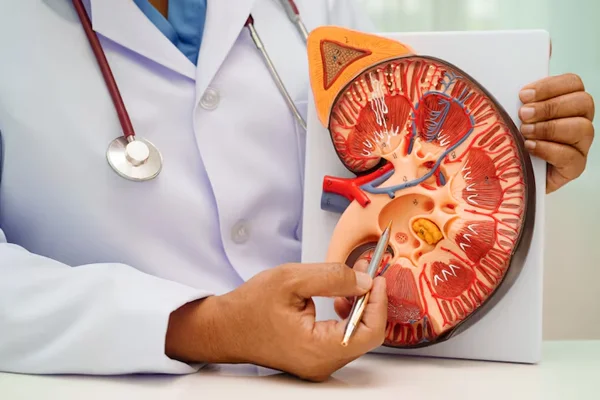
High blood pressure and kidney health are closely connected. Persistent hypertension can damage the blood vessels and filtering units of the kidneys, while kidney disease can also contribute to difficult-to-control blood pressure. Managing both conditions together is therefore an important part of protecting kidney function and reducing the risk of complications.
Dr. Udit Gupta provides personalized Hypertension & Kidney Care in Vasant Kunj, with a focus on accurate evaluation, blood pressure control, kidney function monitoring and long-term management.
The kidneys contain numerous small blood vessels that help filter waste and excess fluid from the blood. Persistently elevated blood pressure can place stress on these vessels and gradually affect their ability to function properly.
As kidney function declines, the kidneys may have greater difficulty maintaining fluid and sodium balance, which can further contribute to elevated blood pressure. This can create a cycle in which hypertension and kidney disease influence each other.
Early identification and appropriate management can help reduce the impact of uncontrolled blood pressure on kidney health.
High blood pressure may be both a cause and a consequence of kidney disease. People with chronic kidney disease may develop hypertension, while long-standing uncontrolled hypertension can contribute to kidney damage.
For this reason, patients with high blood pressure may benefit from periodic assessment of kidney function, particularly when blood pressure remains difficult to control or when other risk factors are present.
Hypertension & Kidney Care involves looking at the complete clinical picture rather than treating blood pressure in isolation.
A comprehensive evaluation may include:
The exact tests required depend on the patient's medical history, symptoms, blood pressure pattern and kidney function.
Effective Hypertension & Kidney Care requires an individualized treatment plan. Treatment may involve lifestyle modifications, appropriate medicines and regular monitoring.
Depending on the patient's condition, a nephrologist may review factors such as medication adherence, dietary sodium intake, kidney function, fluid status and other medical conditions that may influence blood pressure.
Patients should not start, stop or change blood pressure medicines without consulting their treating doctor, as treatment requirements can vary according to kidney function and other health conditions.
Regular monitoring is particularly important when hypertension is accompanied by kidney disease. Blood tests can help assess kidney filtration, while urine tests can identify markers such as albumin that may indicate kidney damage.
Monitoring these parameters over time allows the healthcare team to assess changes in kidney health and adjust the treatment plan when needed.
For patients looking for Hypertension & Kidney Care in Vasant Kunj, ongoing nephrology consultation can provide structured monitoring and individualized management.
Some patients continue to have elevated blood pressure despite taking multiple medicines. This may require a more detailed assessment to identify contributing factors or possible secondary causes.
A nephrologist can review the patient's medical history, medications, kidney function and other relevant factors to determine whether additional evaluation is appropriate.
Conditions affecting the kidneys or renal blood vessels can sometimes contribute to difficult-to-control hypertension, making nephrology assessment particularly valuable in selected patients.
Lifestyle measures can complement medical treatment. Depending on individual circumstances, patients may be advised to maintain a healthy weight, follow an appropriate diet, limit excessive sodium intake, remain physically active and avoid smoking.
Patients with kidney disease may require specific dietary recommendations based on their kidney function, electrolyte levels and other medical conditions. Therefore, dietary changes should be individualized rather than following a one-size-fits-all plan.
A nephrology consultation may be appropriate if you have:
Early assessment can help identify kidney-related factors and guide appropriate management.
Dr. Udit Gupta provides Hypertension & Kidney Care in Vasant Kunj with an emphasis on personalized assessment, appropriate treatment and regular follow-up.
By evaluating blood pressure together with kidney function and other relevant health factors, the treatment approach can be tailored to the individual patient's needs. The goal is to maintain better blood pressure control while supporting long-term kidney health.
Yes. Long-term uncontrolled hypertension can damage the blood vessels and filtering structures of the kidneys and contribute to chronic kidney disease.
Yes. Kidney disease can interfere with the body's regulation of fluid and sodium and may contribute to elevated blood pressure.
The frequency depends on factors such as age, blood pressure control, diabetes, existing kidney disease and previous test results. A doctor can recommend an appropriate monitoring schedule.
Common assessments include blood tests for kidney function and urine tests for albumin or other abnormalities. Additional tests may be recommended depending on the clinical situation.
Resistant hypertension generally refers to blood pressure that remains above the desired level despite appropriate treatment with multiple blood pressure medicines. Such cases may require evaluation for contributing factors and secondary causes.
Consider consulting a nephrologist if blood pressure is persistently uncontrolled, kidney tests are abnormal, protein is detected in the urine, or hypertension occurs alongside diabetes or known kidney disease.


