
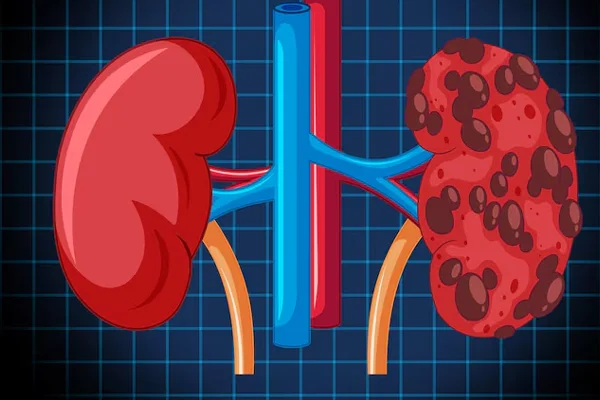
Acute kidney injury (AKI) is a sudden decline in kidney function that can develop over hours or days. It may occur because of dehydration, infection, low blood pressure, certain medicines, kidney disease, urinary obstruction, or other serious medical conditions. Early recognition and appropriate treatment are important because AKI can sometimes lead to complications or increase the risk of longer-term kidney problems.
Acute Kidney Injury Management focuses on identifying the underlying cause, assessing the severity of kidney dysfunction, monitoring kidney function and urine output, managing complications, and supporting recovery wherever possible.
Dr. Udit Gupta provides personalized Acute Kidney Injury Management in Vasant Kunj, with an approach focused on timely evaluation, appropriate treatment and close monitoring according to the patient's clinical condition.
Acute kidney injury occurs when kidney function decreases suddenly. Unlike chronic kidney disease, which usually develops over a longer period, AKI can develop rapidly and may require prompt medical attention. Current KDIGO guidance uses changes in serum creatinine and urine output as important measures when identifying AKI.
The condition can affect the body's ability to remove waste products and maintain appropriate fluid, electrolyte and acid-base balance. The severity and course of AKI can vary considerably depending on its cause and the patient's overall health.
There are several possible causes of AKI. Common contributing factors can include:
Identifying the underlying cause is a key part of Acute Kidney Injury Management because treatment is directed toward the specific problem whenever possible. KDIGO guidance also emphasizes attention to fluid and hemodynamic management, medication and nephrotoxin stewardship, and appropriate evaluation of patients at risk of AKI.
AKI does not always produce obvious symptoms during its early stages. Some patients may notice reduced urine output, swelling, fatigue, nausea, breathlessness or changes in their general health, while others may only be identified through blood or urine testing.
Because AKI can occur alongside serious illnesses, particularly in hospitalized or critically ill patients, unexplained changes in kidney function should be evaluated promptly.
An important part of Acute Kidney Injury Management is determining whether kidney function has changed significantly and identifying why the change occurred.
Assessment may include:
The 2026 KDIGO AKI/AKD draft guideline expands the framework for identifying acute kidney disorders and emphasizes earlier identification, risk assessment and appropriate monitoring.
Treatment depends on the underlying cause, severity of kidney injury and the patient's overall medical condition. Acute Kidney Injury Management may involve correcting dehydration or circulation problems, treating infections, addressing urinary obstruction, reviewing medicines, and managing electrolyte or acid-base abnormalities.
Medication doses may also need to be reviewed when kidney function changes. In selected cases, specialized kidney replacement therapy may be required to manage complications while kidney function recovers or when recovery is not sufficient.
Treatment decisions are individualized rather than based on a single approach for every patient.
Not every patient with AKI requires dialysis. However, kidney replacement therapy may be considered when complications cannot be adequately managed through supportive treatment alone.
Depending on the clinical situation, renal replacement therapy can help manage problems related to fluid accumulation, electrolyte abnormalities, acid-base disturbances or accumulation of waste products. The decision to initiate therapy depends on the patient's condition and clinical assessment.
Dr. Udit Gupta's expertise in critical care nephrology supports the management of patients who develop kidney injury during serious illness or require advanced renal support.
Close follow-up is an important part of Acute Kidney Injury Management. Kidney function may improve after the underlying cause has been addressed, but the recovery period can differ from one patient to another.
Follow-up may include repeat kidney function tests, monitoring urine output, reviewing medicines and assessing blood pressure and fluid balance. Patients who have experienced AKI may also need ongoing evaluation because AKI and subsequent kidney health are closely connected. The updated KDIGO framework specifically highlights follow-up after AKI/AKD to help address longer-term risks.
Patients searching for Acute Kidney Injury Management in Vasant Kunj can consult Dr. Udit Gupta for evaluation and individualized nephrology care.
His approach combines clinical assessment, appropriate investigations, treatment of the underlying cause and continuous monitoring. When AKI occurs in the setting of critical illness or other complex medical conditions, coordination with other medical and critical-care specialists can help provide comprehensive treatment.
Early medical evaluation is particularly important when there is a sudden change in urine output, kidney function or overall health. Prompt assessment can help identify potentially reversible causes and guide appropriate treatment.
Acute Kidney Injury Management is focused not only on addressing the immediate reduction in kidney function but also on reducing complications and supporting kidney recovery.
Depending on the cause, some cases of AKI may improve when the underlying problem is treated. However, severe or persistent AKI can have longer-term consequences, which is why appropriate monitoring and follow-up are important.
With personalized Acute Kidney Injury Management, patients can receive care based on the cause and severity of kidney injury, their existing medical conditions and their response to treatment.
Acute kidney injury is a sudden reduction in kidney function that develops over a relatively short period. It can result from several conditions, including infection, dehydration, reduced blood flow, medicines, obstruction or direct kidney injury.
Symptoms may include reduced urine output, swelling, fatigue, nausea or breathlessness, although some people may have few noticeable symptoms. Blood and urine tests may identify kidney dysfunction even when symptoms are not obvious.
Doctors generally assess changes in serum creatinine and urine output, along with the patient's medical history, examination and other investigations. Additional tests may be required to identify the underlying cause.
No. Dialysis or other kidney replacement therapy is required only in selected situations. The decision depends on the severity of kidney dysfunction, complications and the patient's overall clinical condition.
Kidney recovery varies depending on the cause, severity and overall health of the patient. Some patients recover kidney function after the underlying problem is treated, while others may require longer-term monitoring or kidney care.
A nephrology consultation may be appropriate when there is a sudden rise in creatinine, reduced urine output, unexplained kidney dysfunction, significant electrolyte abnormalities, or kidney problems occurring during serious illness or hospitalization.


